
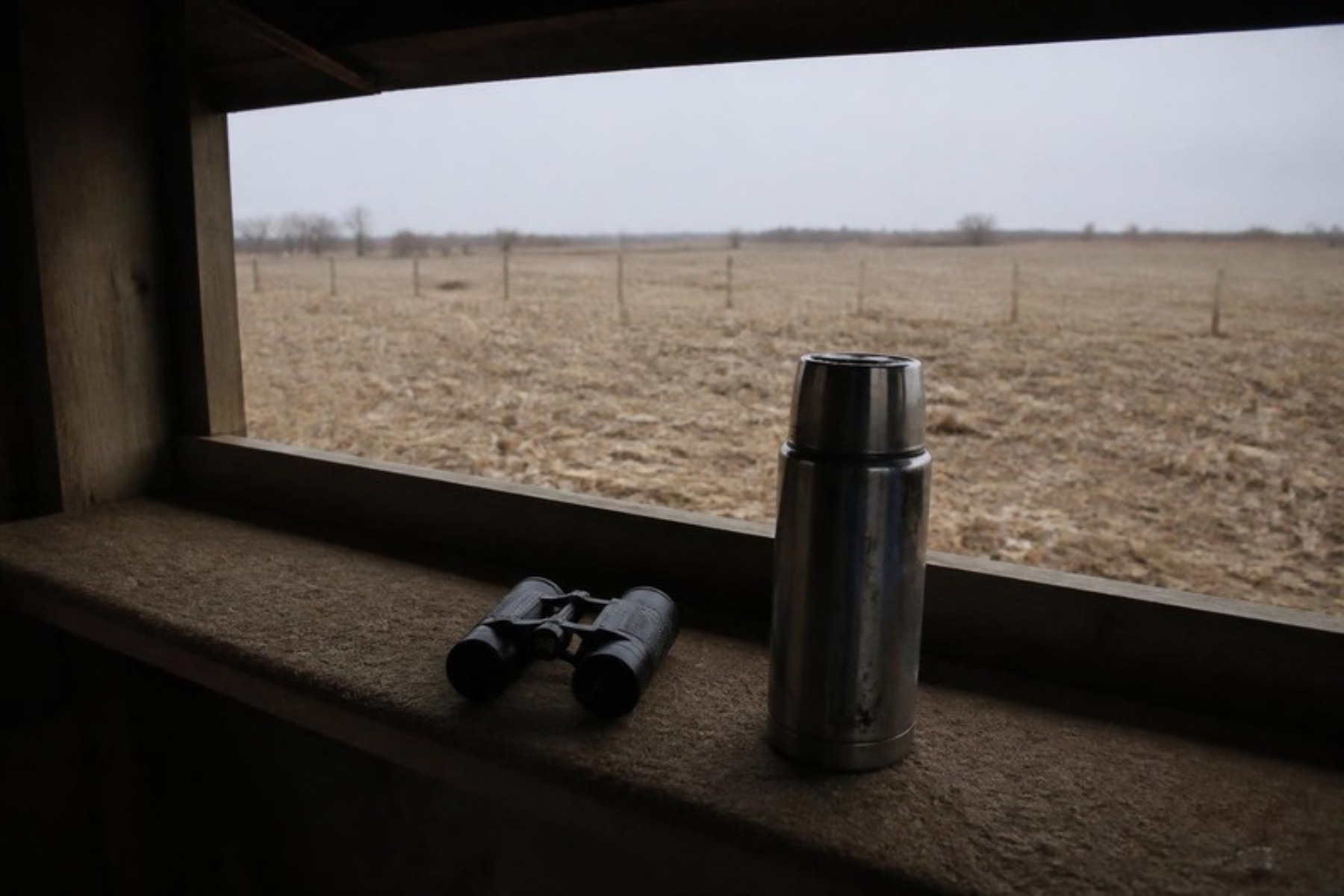
A youth deer hunt in the North Zone gets its own weekend, and in 2026 that weekend is October 30 through November 1 — a full week before the general season opens on November 7. That timing is the whole point. For three days the deer have not been shot at, the roads are quiet, and a twelve-year-old is hunting unpressured animals instead of ones that have already learned what a truck door sounds like. Planning around it takes a little more paperwork than planning a regular hunt, and most of the people who miss out miss out on the paperwork, not the deer.
When the Texas youth deer hunt seasons actually run
Texas gives youth hunters two separate windows in the North Zone, which covers the entire Panhandle:
- Early youth-only season: October 30 – November 1, 2026
- Late youth-only season: January 4 – 17, 2027
For context, archery-only runs October 3 through November 6, 2026, and the general season runs November 7, 2026 through January 3, 2027. The late youth season picks up the day after the general season closes and runs two full weeks, which makes it the most overlooked opportunity on the Texas deer calendar. By the second week of January the pressure is gone, the rut is over, and deer are back on a predictable food pattern. If your kid has school conflicts in late October, do not treat the season as lost — January is arguably the easier hunt.
Bag limits and antlerless rules during a youth-only season generally mirror the first two days of that county’s general season, so they vary by county. Confirm yours in the current Outdoor Annual, and cross-check everything against our Texas Panhandle hunting season dates rundown before you commit to a weekend.
Who counts as a youth, and what they need to carry
Only hunters 16 years of age or younger may participate in a Texas youth-only season. There is no minimum age in state law, which leaves the judgment where it belongs — with the parent.
The license to buy is the Youth Hunting License, Type 169. Two things about it are worth knowing. It is inexpensive, and it stays valid for the entire license year even if the hunter turns 17 partway through. A kid who turns 17 in December is still covered through the following August on a license bought in September.
Hunter education is required in Texas for anyone born on or after September 2, 1971. Hunters under 9 cannot be certified yet, and those under 17 may hunt without certification as long as they are accompanied by a licensed adult who meets the requirement themselves. “Accompanied” means within normal voice and visual contact — not back at the truck. The practical move is to get the kid certified anyway. The online-plus-field course runs a weekend, it is the cheapest insurance there is, and it means a 13-year-old can eventually hunt a stand on their own instead of always sharing yours.
Finding ground for a youth deer hunt
This is the part that stops most families, because the Panhandle is overwhelmingly private land. There are three real paths, and the first one is better than its reputation.
TPWD drawn hunts. The application and permit fees are waived for every participant in the youth-only drawn hunt categories — the youth, and the supervising adult who comes along but does not hunt. That is a genuinely free deer hunt on managed ground, and the draw odds in youth categories are better than in the open categories because far fewer people apply. The special permit categories take applicants aged 8 to 16 with a non-hunting adult 18 or older. National Wildlife Refuge hunts take 9 to 16. There are also youth/adult categories where both the kid and the adult get to hunt. You can apply for up to three areas per category, so apply for three.
The Annual Public Hunting Permit. At roughly the cost of a tank of diesel, the APH opens up a million-plus acres of wildlife management areas and leased units statewide, including ground in and around the breaks. Supervising adults on public land need their own APH even when the youth’s fees are waived in a drawn hunt. Worth buying regardless of whether you draw anything.
Private ground. Ask in the spring, not in October. The landowner who will not lease you a November deer weekend will often let a kid shoot a doe on a management tag in January, because by then he is trying to hit a harvest number and you are helping. Offering to help with feral hogs first is the oldest and still the best introduction in this country. A guided hunt through a local outfitter also solves access in one step if your time is worth more than your patience, and several Panhandle outfits run youth-specific weekends at a reduced rate.
One rule that applies everywhere on public land: a youth under 17 must be under the immediate supervision of a licensed adult at least 18 years old. Under 12, they stay within normal voice distance. Certified hunters 12 to 16 only need the supervising adult present on the area.
Setting up a sit a kid can actually finish
Twenty-seven years of putting hunters in Panhandle blinds taught us that a youth hunt fails for one of two reasons, and neither is shooting. Either the kid gets cold, or the kid gets bored. Both are solvable the day before you go.
Hunt from an enclosed blind over a feeder, a food plot, or a field edge, and do not apologize for it. A kid in a box blind can fidget, whisper, eat a sandwich, and warm their hands, and the deer never know. A kid in a tripod on an open Panhandle field edge in a twenty-mile-an-hour north wind is done in forty minutes. Our notes on ground blinds for open country cover what holds up in this wind, which is a narrower list than the catalogs suggest.
Plan short sits. An evening hunt from four o’clock to dark is two and a half hours, ends with dinner, and leaves everybody wanting to go again. A dark-to-ten-o’clock morning sit in late October cold is how you teach a kid that hunting is something adults make you do. Do mornings in January when the food pattern is reliable and the deer come early.
Give them a job. A kid with their own binoculars watches the field instead of the clock. The Vortex Diamondback HD 8×28 is the honest pick here — it is a real binocular with real glass, light enough for small hands, and 8x is far more forgiving to hold steady than the 10x most adults carry. It will not get outgrown.
Hearing protection goes in the blind, not in the truck. Adults have been flinching at muzzle blast for years and have stopped noticing; a kid’s first unprotected shot can put a flinch in them that takes two seasons to train out. Electronic muffs let them hear you talk and still cut the shot. Howard Leight Impact Sport muffs are the long-running standard and cheap enough to keep a spare pair in the blind. If the muff is sitting too wide on a small head and pushing the cheek off the stock, Walker’s builds a Razor Compact on a youth-sized cup that solves it — worth looking for at a local sporting goods counter where the kid can try it on.
Make the shot easy before you ever leave the house
The single best thing you can do for a young hunter is remove every variable from the shot except the trigger. That means a rest, a known distance, and a lot of practice at that distance.
Pick the stand site, range the two or three places a deer is likely to stand, and write those numbers on tape inside the blind. Then set a rest the kid can get behind without stretching. A tripod that adjusts under load lets a seated kid find the gun instead of reaching for it — a Primos Trigger Stick, or any shooting tripod with a one-hand height release, is what you want here. The feature that matters is being able to raise or drop the rest without taking the rifle off it, because a deer steps out and the height is always wrong.
For practice, reactive targets do something a paper bullseye cannot: they show the hit instantly, from the bench, with no walk downrange and no squinting through a spotting scope. Birchwood Casey Shoot-N-C bullseyes are the common ones, and the eight-inch size with repair pasters lets one target absorb a whole afternoon. Instant feedback is what builds a kid’s confidence, and confidence is what keeps them from jerking the trigger on a live deer.
Set a maximum range and hold to it. A hundred yards is plenty for a first deer, and a kid who has put thirty rounds into a paper plate at a hundred from a rest is better prepared than most adults who sighted in at the range in August and have not shot since. Rifle and scope choices matter enough to deserve their own piece — our guide to the best youth rifle and scope setups for a first deer hunt covers length of pull, caliber, and what to spend the optics budget on.
After the shot
Late October in the Panhandle can still run eighty degrees in the afternoon, and a deer down at last light needs to be opened and cooled inside the hour. Decide beforehand how much of that work the kid does. Most twelve-year-olds want to be involved and a few absolutely do not, and both answers are fine — but it goes better when nobody is figuring it out in the dark with a flashlight in their teeth. Our step-by-step field dressing walkthrough is written for exactly these conditions, and the home butchering guide picks up from there if you process your own.
One last thing worth saying out loud: let them shoot a doe. Holding a new hunter out for a buck in a season that is three days long is how a kid ends up with a tag in their pocket, a long drive home, and the impression that they failed. A doe on the ground on Saturday morning of a youth weekend turns into a kid who wants to go back next year, and that is the only outcome that matters. Apply for the January season too — it is two weeks long, the pressure is gone, and it is the best second chance in Texas.
More on the species and the country it lives in is on our Whitetail Deer Hunting guide, and the gear that holds up out here is on the Recommended Gear page.
Leave a Reply