
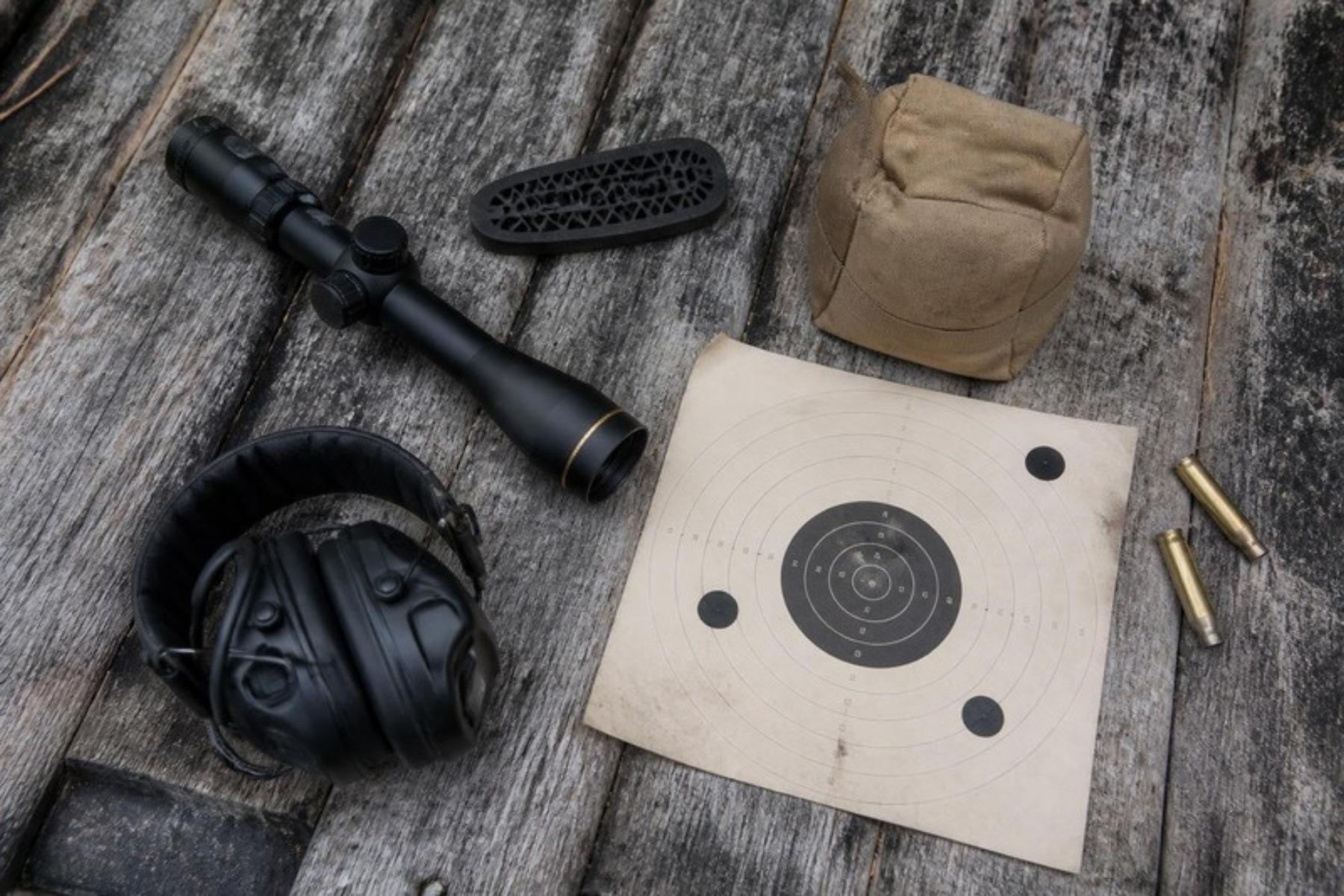
The best youth rifle for deer hunting is almost never the one with the most impressive ballistics. It is the one a hundred-pound kid can shoulder without stretching, hold steady for four seconds, and shoot thirty times in an afternoon without developing a flinch. Get that part right and a Panhandle whitetail at a hundred yards is an easy shot. Get it wrong — hand a twelve-year-old a .30-06 with a fourteen-inch length of pull because it was the spare gun in the safe — and no amount of scope quality fixes what happens next.
How to pick the best youth rifle for a first deer season
Three measurements decide whether a rifle fits, and only one of them gets talked about.
Length of pull. This is the distance from the trigger to the back of the buttpad, and it is the whole ballgame. A standard adult stock runs about 13.5 to 14 inches. A ten- to twelve-year-old usually needs 11.5 to 12.5. When the stock is too long, the kid cannot get their eye behind the scope without craning forward, their trigger finger reaches across the guard at a bad angle, and the gun ends up out on the shoulder joint instead of in the pocket — which is exactly where recoil hurts most. A rough check: have them shoulder the unloaded rifle with their elbow at ninety degrees. If their nose is more than an inch and a half from the thumb of their shooting hand, the stock is too long.
Weight. Lighter is better for carrying and worse for recoil, and a youth rifle lives on the comfortable side of that trade. Six and a half to seven pounds scoped is about right. Under six pounds in a centerfire deer caliber starts to kick harder than a kid will tolerate.
Comb height. The cheekpiece has to sit high enough that the kid’s eye lands in the scope naturally. Most youth stocks handle this; most cut-down adult stocks do not, which is one reason a purpose-built youth rifle beats a hacksaw job on a hand-me-down.
The good news is that nearly every major maker builds a compact or youth model, and several of them grow with the kid. Savage’s Axis II Compact comes with a 12.5-inch length of pull and spacers to extend it as they do. The Ruger American Rifle Compact runs a 12.5-inch stock in a 6.5-pound package. Mossberg’s Patriot Super Bantam uses an adjustable stock with a 12- to 13.25-inch range, which is the most adjustment in the class. CVA’s Scout Compact is a single-shot — which some parents prefer specifically because it forces a deliberate shot — and it is the lightest of the bunch. Howa’s Mini Action is the one to look at if you want a short-action receiver genuinely scaled down rather than a full-size action in a small stock.
Amazon does not sell firearms, so every one of those rifles is a dealer purchase. Buy from a local dealer who will let the kid shoulder three or four of them across the counter before you decide. That ten minutes is worth more than every review on the internet combined, this one included.
Caliber: enough gun, not too much
Panhandle whitetail run bigger-bodied than deer in a lot of the state, and mule deer in the breaks are bigger still. But the shots a young hunter should be taking are inside a hundred and fifty yards from a rest, and that changes the math considerably.
The .243 Winchester is the default for a reason. It kills whitetail cleanly well past any range a first-year hunter should be shooting, factory ammunition is on every shelf in the Panhandle, and recoil is mild enough that a kid will shoot a box in one sitting. The 6.5 Creedmoor is the modern alternative — slightly more recoil, noticeably more capability if they ever move to mule deer or longer country, and ammunition is everywhere now. The .350 Legend and .300 Blackout both run light recoil in a straight-wall or subsonic package, though wind drift in open country is a real consideration with the heavier, slower bullets.
Skip the .223 for deer unless your county’s regulations and your conscience both say otherwise. It is legal in Texas and it does kill deer, but it narrows the margin for a shot that lands two inches off, and a first-timer’s shot often does.
Whatever you pick, buy a .22 rimfire too. A hundred rounds of .22 teaches trigger control for the price of ten rounds of centerfire, and every bit of it transfers. Most kids should put several hundred rounds of rimfire downrange before their first box of deer ammunition.
The scope matters more than the rifle
A $400 rifle with a $250 scope outshoots a $700 rifle with a $90 scope every single time, and the gap is widest in exactly the conditions this country serves up: low light at the field edge, heat shimmer off a milo stubble, and wind that wants to move anything not built to hold zero.
For a youth deer setup, a 3-9×40 is the right answer and has been for fifty years. The low end gives a wide field of view so a kid can find a deer quickly, the top end is more magnification than they need at a hundred yards, and a 40mm objective mounts low enough that the cheek weld stays natural on a youth stock. Resist the 4-16×50 — a big objective forces high rings, and high rings mean the kid is floating their head above the comb trying to find the picture.
The Vortex Crossfire II 3-9×40 is the value pick in this class. Fully multi-coated glass, capped turrets that cannot get bumped off zero in a truck, and the warranty behind it is transferable and unconditional, which matters on a gun that will get handed down to a younger sibling. It is the scope to buy when the rifle itself ate most of the budget.
If there is room to spend more, spend it on the glass rather than the rifle. A Leupold VX-Freedom 3-9×40 holds a usable sight picture noticeably later into last light, which is when Panhandle deer actually walk, and it is built light enough that it does not undo the balance of a 6.5-pound youth rifle. One caution when you go shopping: the VX-Freedom 3-9×40 ships in a long list of reticle and turret versions — Duplex, Duplex CDS, rimfire, muzzleloader, and several cartridge-specific holdover reticles. They look nearly identical in a listing. Buy the plain Duplex unless you have a specific reason to want otherwise, and check the model number before you pay.
Set the eye relief and the focus before the kid ever shoots it. Mount the scope as far forward as the rings allow while still giving a full picture, so a surprise bit of recoil cannot drive the ocular bell into their eyebrow. Then adjust the ocular ring until the reticle is sharp against a blank sky for their eyes, not yours. Our rangefinder guide covers the other half of the sighting problem, which is knowing the distance before you hold for it.
Taming recoil before it teaches a flinch
A flinch is a learned response, and it only takes a handful of bad shots to install one. Everything below is cheaper than untraining it.
A slip-on recoil pad is the highest-value ten minutes you can spend on a youth rifle. It softens the hit and, usefully, it also adds length of pull — so buy it after you have the stock sized, not before. The LimbSaver AirTech slip-on goes on without modifying the stock, which matters on a gun that may get passed along. Check the sizing chart against your stock’s dimensions — this one comes in several sizes and the fit needs to be snug, not stretched.
Do the sighting-in yourself from a recoil-reducing rest, then let the kid shoot from bags. Sighting in a rifle takes twenty to thirty rounds of bench shooting, which is more recoil than a young shooter should absorb in a day, and a tired flinching shooter produces a bad zero. A Caldwell Lead Sled DFT loads with sandbags and absorbs most of the kick, which makes the zeroing session the adult’s problem rather than the kid’s. Caldwell builds this in several frames — the DFT, the DFT 2 and the lighter Solo among them — so check which one you are ordering.
For the kid’s own practice, a front and rear bag combo is better than a mechanical rest, because it teaches a position they can reproduce in a blind. Caldwell DeadShot front and rear bags run cheap, fill with sand, and the rear bag under the toe of the stock is what makes a small shooter steady. Check whether the set you order arrives filled — several versions ship empty to keep the shipping weight down.
Hearing protection is not optional and muzzle blast, not recoil, is what most kids actually flinch from. Electronic muffs cut the shot and pass conversation through, so you can coach between rounds. Howard Leight Impact Sport muffs are the long-running standard and cheap enough to own three pairs. For smaller heads, Walker’s Razor Compact is built on a youth-sized cup that keeps the muff off the stock and preserves the cheek weld.
What practice should actually look like
Twenty rounds a week for a month beats a hundred rounds the Saturday before the season. Keep the sessions short enough that the last shot is as good as the first, and stop the moment the groups start opening up — that is fatigue, and shooting through it only teaches bad habits.
Shoot at reactive targets so the feedback is instant. Birchwood Casey Shoot-N-C bullseyes are the ones most ranges are littered with, and for good reason: every hit shows from the bench with no walk downrange, and the repair pasters in the pack mean one target lasts an afternoon. For a kid, seeing the hit land is the difference between practice and homework. They come in 6-inch through 17-inch bullseyes and in several pack counts, and the one linked here is the 6-inch — plenty at a hundred yards through a scope.
Then get off the bench. The last two sessions before the hunt should happen from whatever the kid will actually shoot from in the field — seated in a chair with the gun on a tripod, or rested on a blind window ledge. A shooting tripod with a one-hand height release, like the Primos Trigger Stick, is worth the money here: being able to raise or drop the rest without lifting the rifle off it is exactly what goes wrong when a deer appears and the height is two inches short.
Set a hard maximum range and tell the kid what it is. If their best group at two hundred is a dinner plate, their limit is a hundred and fifty, and saying so out loud in the blind takes the decision off them in the moment.
One piece of preparation is not optional, and it is worth handling early. Texas requires hunter education of anyone born on or after September 2, 1971, and the minimum age for certification is nine. If your kid is nine or older, get them through the course well before the season rather than the week of it. It installs the safe-handling habits you want already in place the first time they are sitting in a blind with a loaded rifle across their lap, and it is a better use of an evening in August than another box of ammunition.
Buying for the kid they will be in three years
An adjustable stock or a spacer system is worth paying for, because a twelve-year-old’s length of pull changes by an inch or more in two seasons and a rifle that cannot follow them gets outgrown and sold. Buy the scope at a level you would be happy to keep on the adult rifle that replaces the youth rifle later, since glass moves between guns and barrels do not. Then spend the rest on ammunition, because rounds downrange is the variable that actually decides whether the hunt goes well.
When the rifle is sorted, the logistics are the other half of the job — season dates, licenses, and where to actually hunt are covered in planning a youth deer hunt in the Texas Panhandle. More picks that hold up in this country are on the Recommended Gear page, and the Whitetail Deer Hunting guide covers the animal itself.
Leave a Reply