
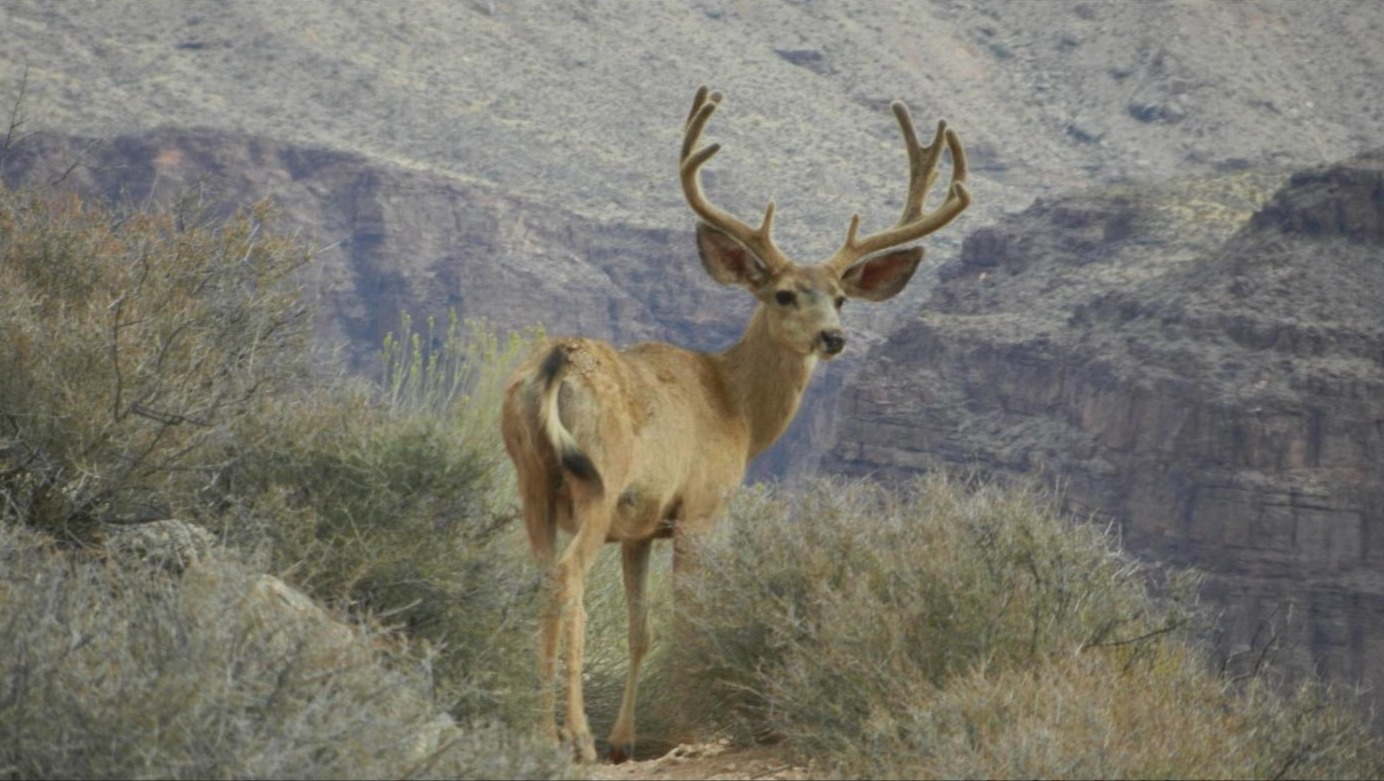
Ask ten hunters where to go mule deer hunting in Texas and most will point straight at the Trans-Pecos mountains near Alpine and Marfa — and they wouldn’t be wrong. But that’s only half the map. The Texas Panhandle holds a real, huntable mule deer population of its own, spread across the Caprock escarpment and the canyon country that drops off the high plains, and it gets a fraction of the attention. If you’re trying to figure out where mule deer hunts in Texas actually happen, both regions deserve a look — and depending on what you want out of the hunt, the Panhandle might be the better call.

Where Mule Deer Actually Live in Texas
Texas mule deer are concentrated in two distinct regions, and they don’t overlap much. The Trans-Pecos — the mountainous far-west corner of the state around Big Bend, Alpine, and Marfa — holds the state’s largest and best-known population, hunted across rugged desert mountains and high country. The second region is the Texas Panhandle and the Rolling Plains that fall off the Caprock escarpment, where mule deer live in canyon breaks, cedar pockets, and wind-scoured mesas rather than desert peaks. Both are real mule deer country. The terrain, the access, and the kind of hunt you get out of each one are completely different.
Texas Mule Deer Season
Mule deer season in Texas runs in the fall, with the rut peaking in December across both the Panhandle and the Trans-Pecos. That’s when mature bucks leave heavy cover and start pushing does across saddles, benches, and open flats during legal shooting light — the best window for actually seeing a mature buck out in the open. Exact season dates are set by county and change slightly year to year, so check our season dates roundup for the confirmed Panhandle dates before you plan a hunt.
Panhandle vs. Trans-Pecos: Which Region Fits Your Hunt
Trans-Pecos mule deer hunts are the trophy-book destination — low deer density, big country, and a real chance at a mature, heavy-framed buck if you’re willing to hunt hard, remote terrain over multiple days. That reputation comes at a cost: tags and outfitted hunts in the Trans-Pecos run expensive, access is limited on a landscape that’s mostly large working ranches, and the desert-mountain terrain is unforgiving on hunters who aren’t used to it.
Panhandle mule deer hunting is a different animal, in the practical sense. The Caprock escarpment and canyon country hold a healthy population of mule deer living alongside whitetail, and the terrain — while still demanding real glassing and stalking skill — is more accessible than the Trans-Pecos’s remote mountain country. It’s a strong option for hunters who want a genuine spot-and-stalk mule deer hunt without the cost and logistics of a Trans-Pecos trip, or for hunters already planning a Panhandle whitetail or turkey hunt who want to add a mule deer tag to the same trip.
What a Panhandle Mule Deer Hunting Trip Actually Looks Like
Panhandle muleys live on the edge of big country — canyon rims, Caprock breaks, and wind-scoured mesas — bedding in cuts, fingers, and cedar pockets before sliding out to feed on flats and crop edges under low light. The hunt is built around glassing, not walking: get on a rim before gray light, put good glass on a stable tripod, and grid every cut, point, and bench until you catch a buck moving between bedding and feed. Our full mule deer hunting guide covers the terrain reading and stalking tactics that turn a spotted buck into a filled tag.
Glass quality matters more than almost anything else you bring. A solid pair of Vortex Diamondback HD 10×42 binoculars earns its keep on long, windy glassing sessions where picking an antler tip or an ear flick out of shade is the whole game.
Once you’ve spotted a buck worth closing on, a Vortex Diamondback HD 20-60×85 spotting scope on the same tripod lets you judge frame and mass across a canyon before committing to a stalk that could take an hour to close.
Getting Access to Texas Mule Deer Country
Mule deer ground in both regions is overwhelmingly private, and the Panhandle’s canyon country is no exception — the deer concentrate on ranches with the cover and food to hold them, and that access has to come from somewhere.
There are three realistic routes. Texas Parks and Wildlife draws a limited number of public mule deer permits, weighted heavily toward Trans-Pecos units; the odds are long, but the application costs almost nothing and you lose only the time it takes to file. A lease is the most reliable answer if you intend to hunt the region year after year, though good Panhandle mule deer ground rarely comes open and tends to change hands by word of mouth rather than by listing. And for a single trip, a guided or day-hunt arrangement through a local outfitter is still the usual path, because it solves access and terrain knowledge in one step.
We’ve guided mule deer hunters through this canyon country for 27 years, and the Panhandle is worth a serious look before defaulting to the Trans-Pecos out of habit — it’s less country to learn, the mule deer share ground with whitetail so one trip can produce two species, and the glassing is genuinely good. Check the full Recommended Gear list for the rest of the optics and rifle setup that holds up on the rim.
Leave a Reply